Community Service
What a RAM Volunteer Mission in Alaska Reinforced for Me
· Dr. Volodymyr Kachmar
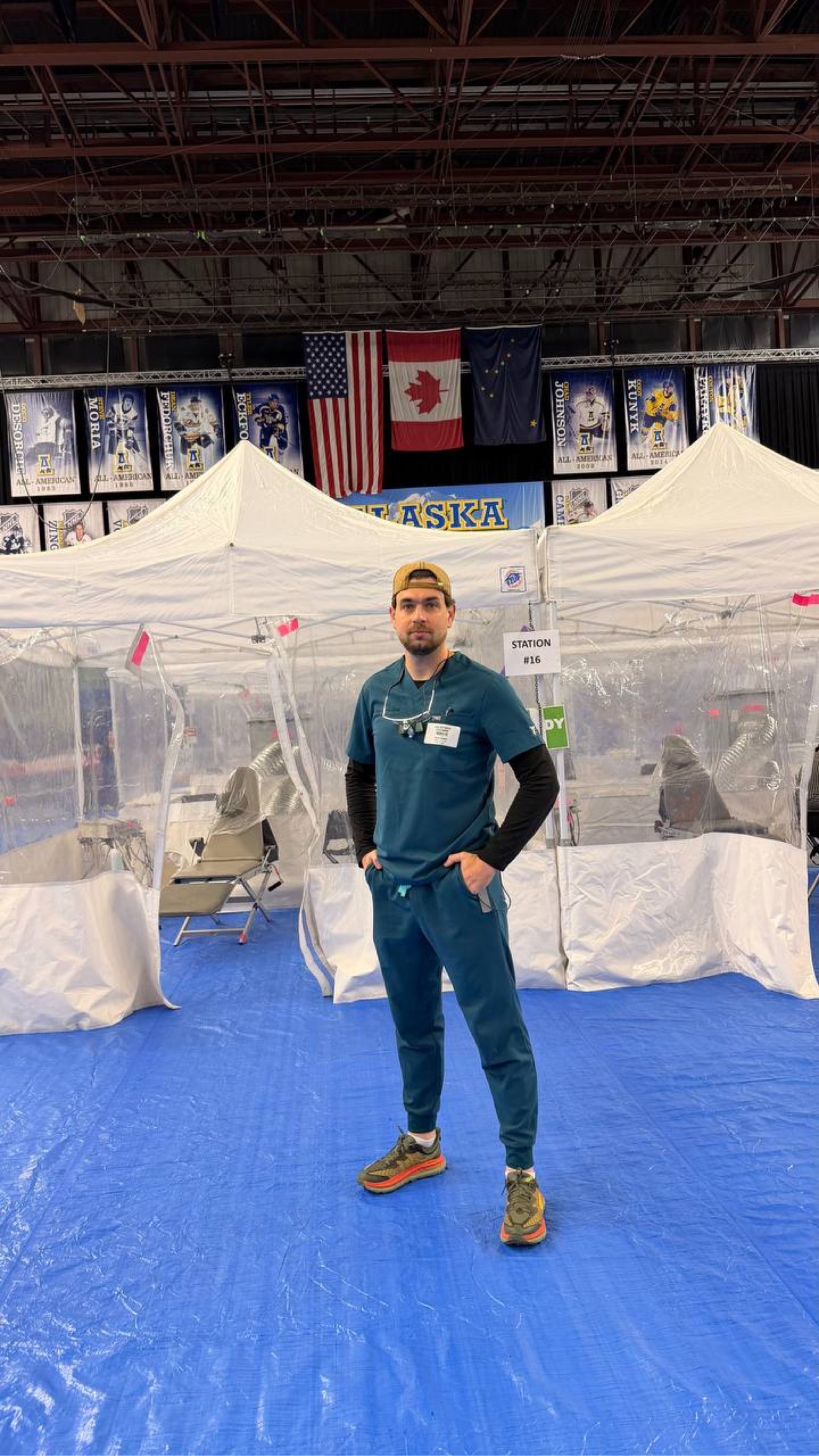
Over two weekends with the RAM program in Alaska, I worked alongside an international team of dentists in a temporary care setting built around access, teamwork, and respect for every person who came through the doors.
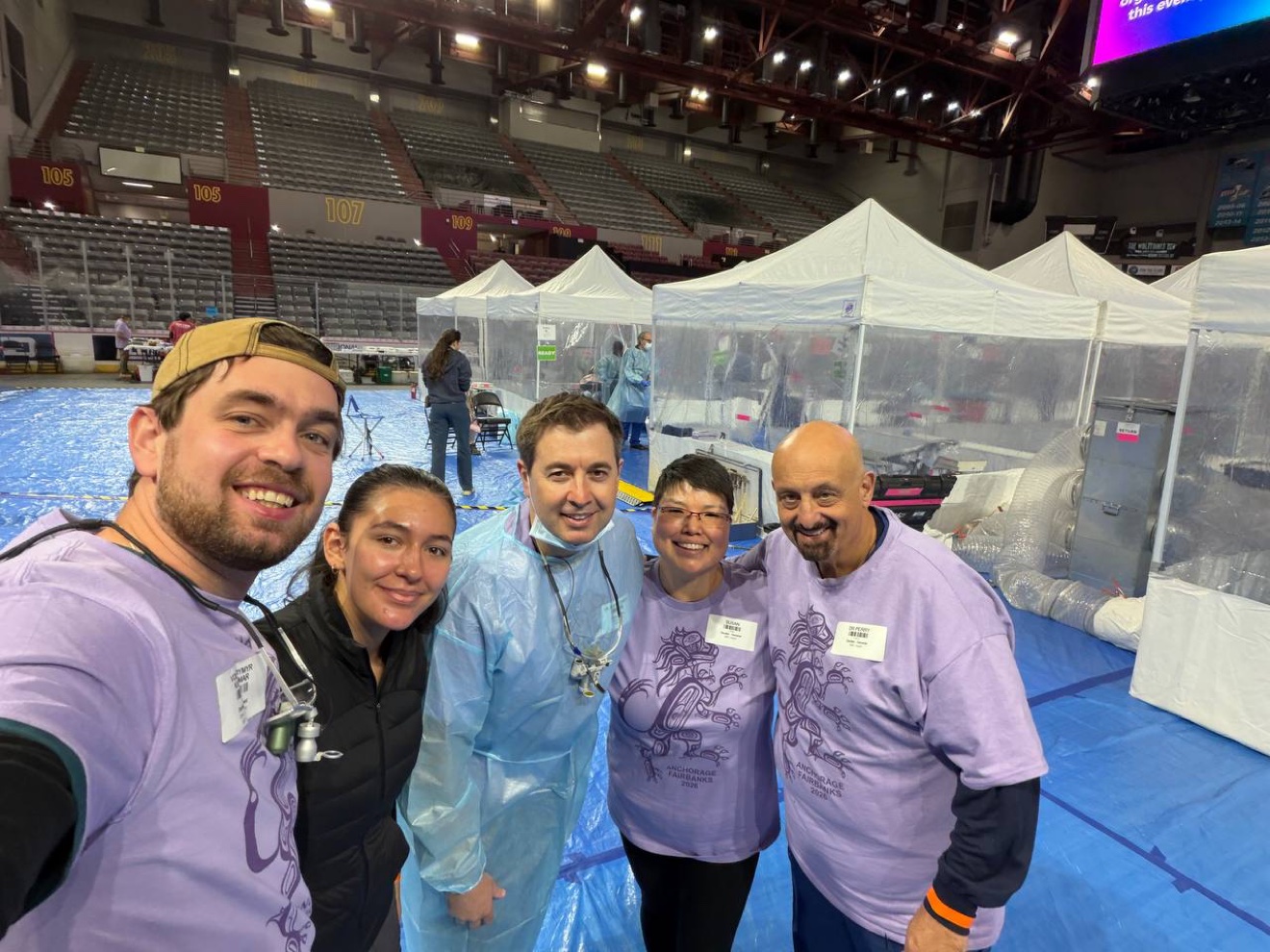
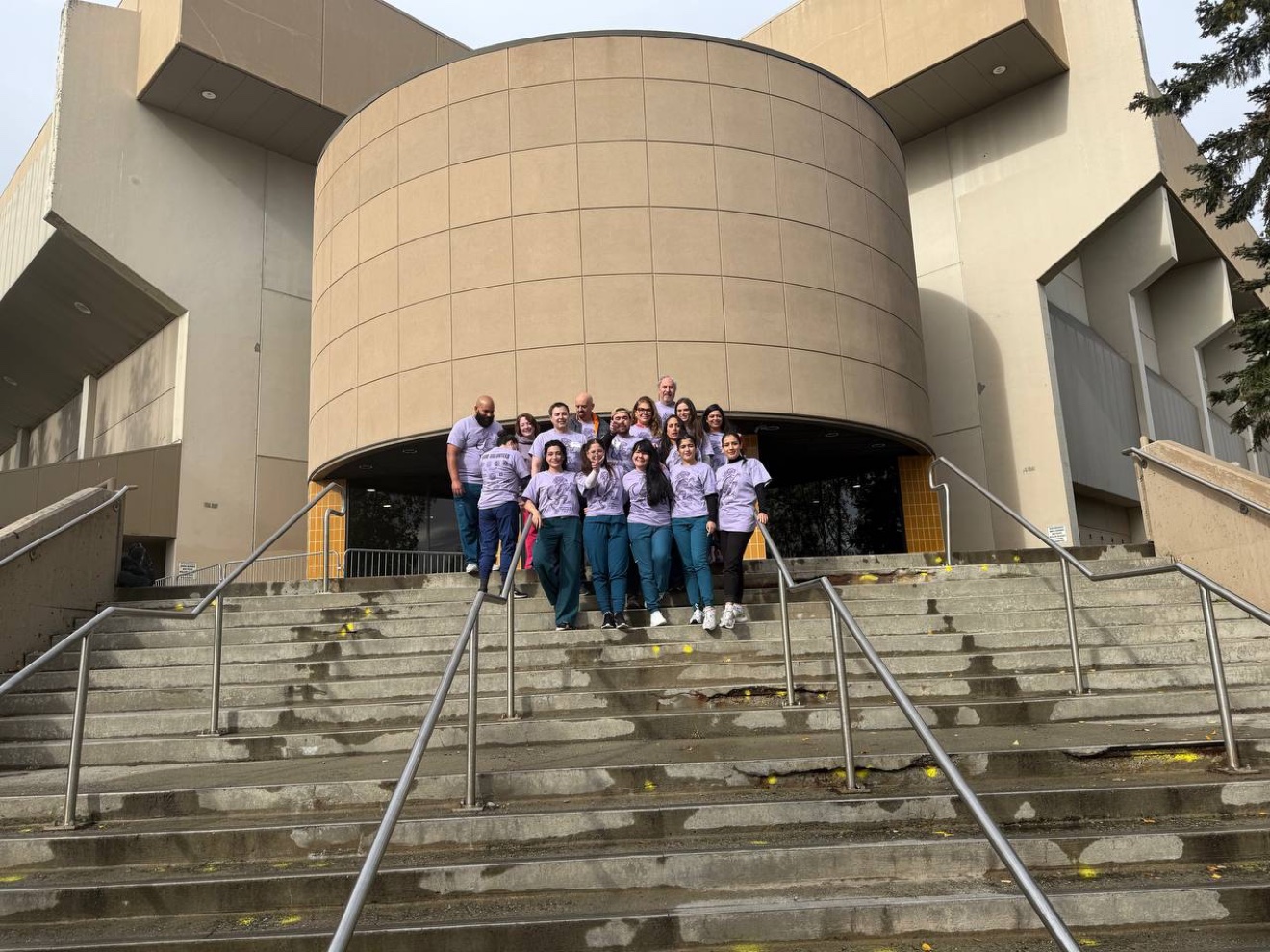
I recently had the privilege of participating in a volunteer mission in Alaska through the RAM program. Together with Dr. Perry, Dr. Mahn, Dr. Trembly, and a committed international team of dentists, we spent two weekends serving a community through a large-scale volunteer effort.
According to RAM data, the mission connected with approximately 1,000 people and delivered services valued at more than $900,000. Those figures help communicate the scale of the event, but they do not fully describe what service means in practice. Behind every appointment is a person making time, arranging transportation, navigating uncertainty, or simply looking for an opportunity to receive care.
A temporary clinic with a clear purpose
The clinic operated in a temporary arena setting: rows of treatment stations, equipment, volunteers, and teams moving with intention. Environments like this make the importance of coordination very visible. Clinical care depends on preparation, communication, infection-control discipline, clear patient flow, and mutual support across the entire team.
Even in a temporary setting, standards matter. A volunteer clinic is not simply a place to work faster or do more. It is a place to remain attentive to the fundamentals that define good care: listening carefully, explaining clearly, working safely, and treating each person with respect.
For me, that is one of the most meaningful lessons of these missions. The setting may be different from a conventional practice, but the professional responsibility remains the same. Patients should feel seen, heard, and respected throughout their care.
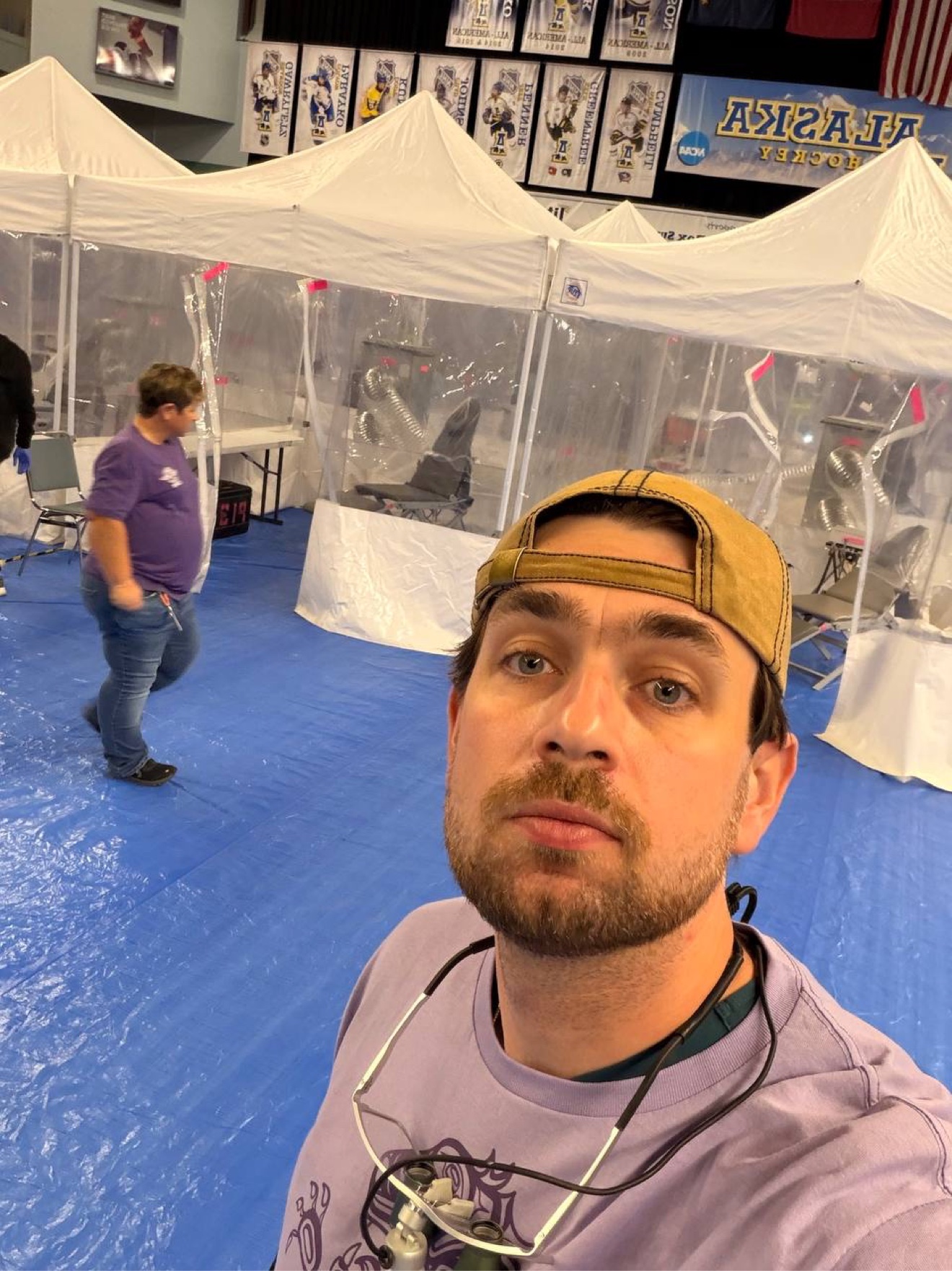
The value of an international team
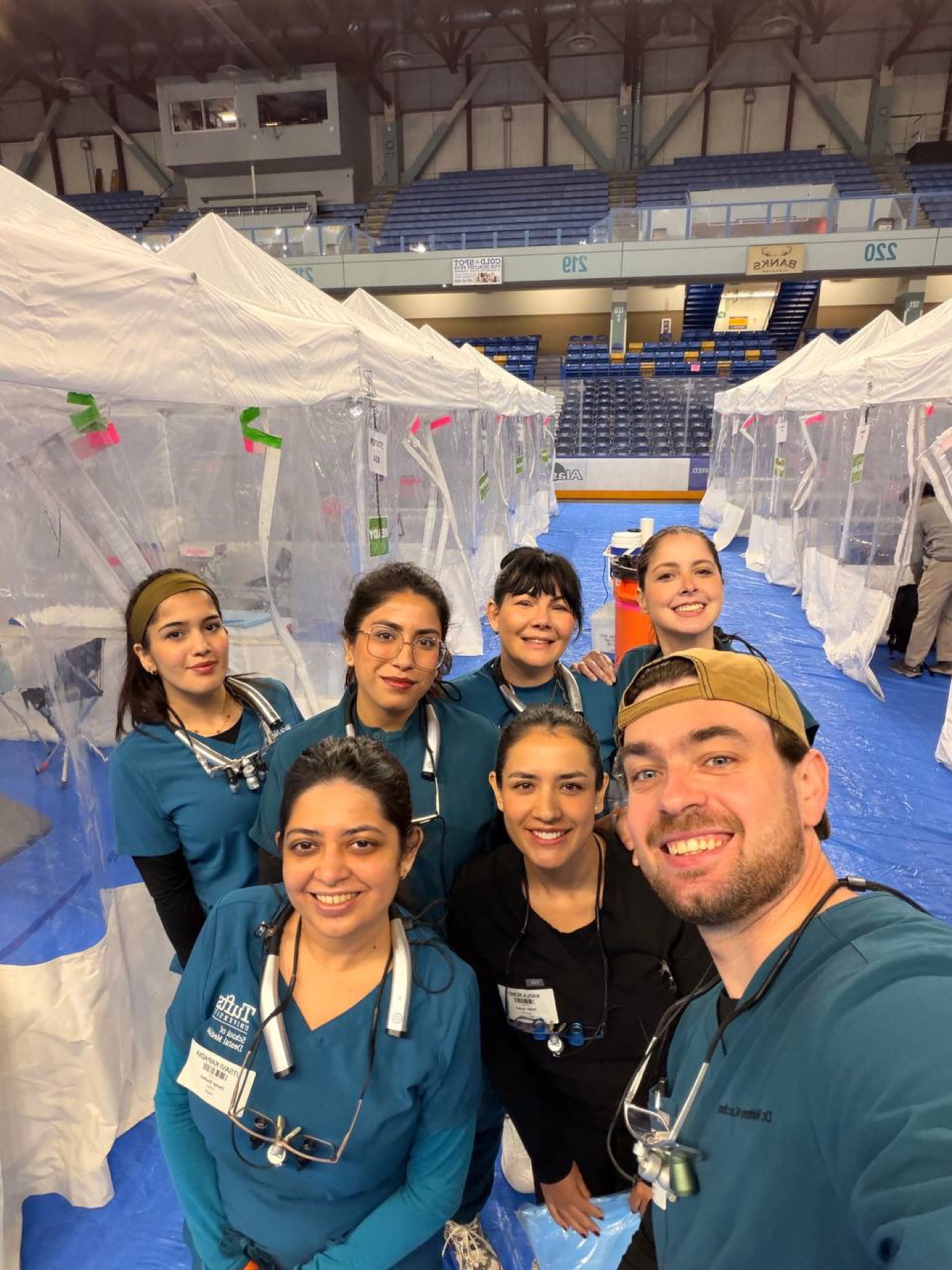
Working with colleagues from different backgrounds was one of the strongest parts of the experience. Dentistry is highly technical, but it is also deeply collaborative. In a volunteer environment, teamwork becomes especially tangible because every role contributes to the pace, safety, and quality of care.
I was grateful to work alongside Dr. Perry, Dr. Mahn, Dr. Trembly, and the wider international dentist team. Shared clinical knowledge matters, but so do generosity, adaptability, and the willingness to help wherever help is needed.
This kind of work is a reminder that professional community is built through action. It is built when colleagues share responsibility, support one another, and focus on a common purpose larger than any individual contribution.
Access to care is also about dignity
Volunteer missions cannot replace long-term systems of preventive and continuing care. They can, however, provide meaningful support at an important moment and draw attention to the access barriers that many people still face.
For dental professionals, this should encourage a broader view of clinical impact. Technical excellence is essential, but care is also shaped by whether people can reach it, understand it, and feel comfortable seeking it.
In any clinical environment, some people may arrive with questions, uncertainty, or a need for reassurance alongside treatment. That makes empathy and communication practical clinical skills, not optional additions. A calm explanation, a respectful interaction, and a well-coordinated team can shape how a person experiences care.
Service as professional education
Volunteer work teaches lessons that are difficult to reproduce in a lecture hall. It asks us to adapt, prioritize, communicate precisely, and remain present in a demanding environment. It also brings perspective.
As clinicians, we spend significant time refining techniques, materials, digital workflows, and treatment planning. All of that work matters. But experiences like this remind me that the purpose of clinical skill is ultimately human: to use knowledge responsibly in service of others.
The Alaska mission reinforced the importance of humility. No one clinician creates an event of this scale. It depends on organizers, coordinators, assistants, dentists, volunteers, and the many people who make a temporary clinic function. Every contribution matters.
Carrying the lesson forward
I returned from Alaska with gratitude for the people who organized the mission, the colleagues who worked beside me, and everyone who trusted our team with their care. I also returned with renewed respect for volunteer dentistry as a place of service, education, and professional connection.
For colleagues considering a volunteer mission, I would encourage you to explore opportunities that align with your skills and values. The work can be demanding, but it offers a powerful reminder of why dentistry matters beyond the walls of a practice.
I would be interested to hear from fellow dental professionals: what has volunteer service taught you about teamwork, access to care, or the way you approach your daily clinical work?
For more reflections on dentistry, education, and professional service, visit drkachmar.me.
Professional-use notice: This article is intended for licensed dental professionals and dental students under appropriate supervision. It does not replace diagnosis, treatment planning, informed consent, clinical judgment, manufacturer instructions, or applicable regulatory requirements.