Clinical Instrumentation
Eleven Instruments Within One Structured Preparation Framework
Dr. Volodymyr Kachmar organized eleven instruments according to their defined roles within a six-stage veneer and crown preparation workflow.
The framework connects depth orientation, reduction, refinement, finishing, surface review, digital capture, and restorative communication.
Framework Overview
A Documented Instrumentation Framework
The objective is not to prescribe one universal instrument selection for every case. It is to make the role of each instrument visible within a documented clinical sequence.
11
Defined Instruments
6
Clinical Stages
—
Structured Educational Sequence
—
Case-Based Adaptation
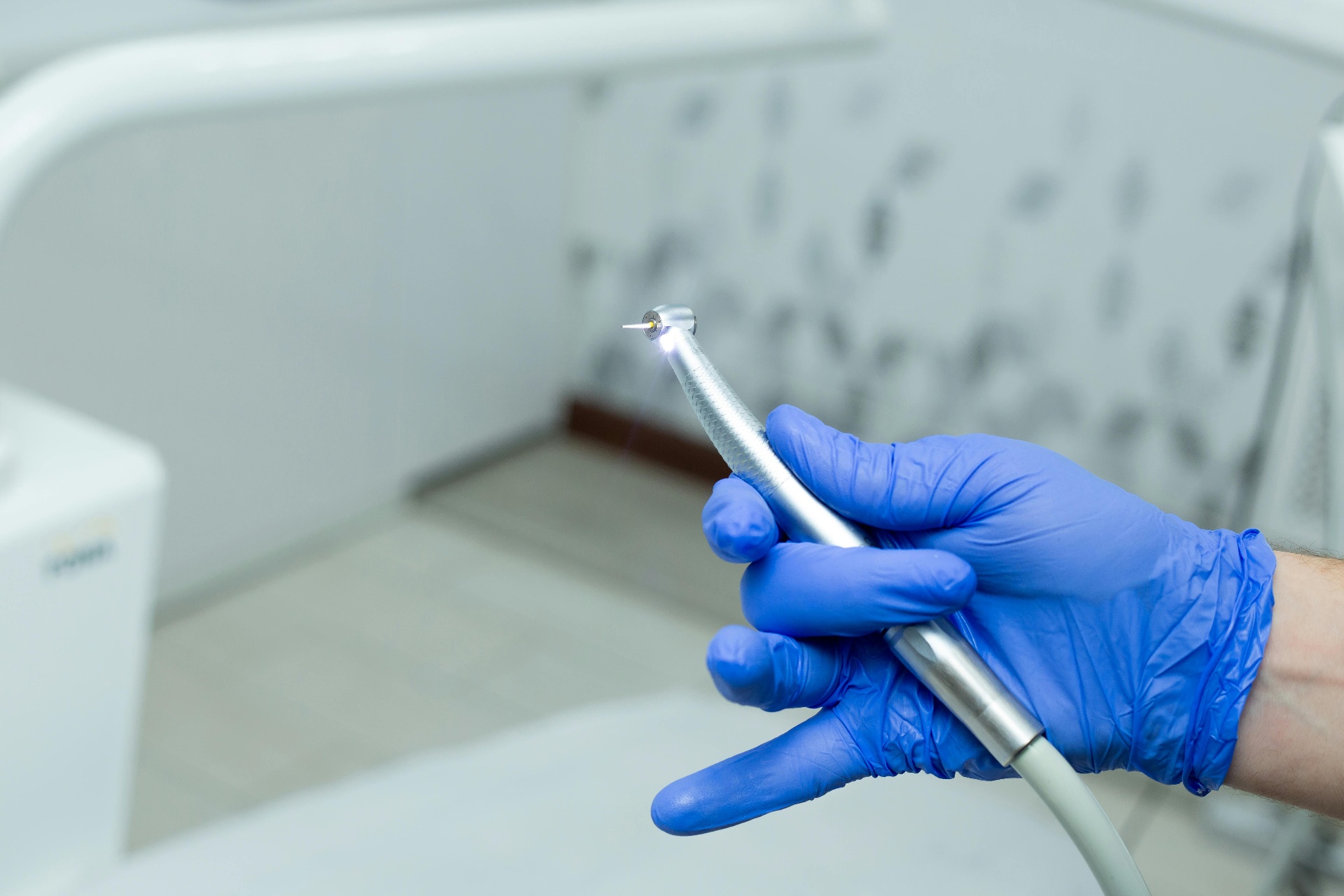
Instrument Roles Within the Framework
Depth Orientation
Instruments used to establish an initial reference according to the individual restorative plan.
Principal Reduction
Instruments assigned to the primary preparation surfaces and transitions.
Refinement
Instruments used to review geometry, surface continuity, and areas requiring clearer digital capture.
Finishing
Instruments used for controlled finishing of surfaces and margins.
Final Surface Review
Instrumentation supporting final review before documentation, scanning, and laboratory communication.
Instrumentation Within the Complete Clinical Sequence
Instrumentation is one part of a broader workflow that also includes clinical assessment, digital capture, restorative design, and laboratory communication.
Stage 1
Planning
Stage 2
Depth Control
Stage 3
Initial Reduction
Stage 4
Refinement
Stage 5
Finishing
Stage 6
Final Surface Review
Selection Principles
01
Defined clinical function
02
Sequenced use
03
Digital-workflow continuity
04
Case-specific professional judgment
Instrument replacement is organized within the documented framework according to use and clinical condition. No universal replacement interval is promised.
Education and Implementation
The instrumentation sequence has been incorporated into professional education and team training connected to the broader digital esthetic workflow.
This page presents a professional educational framework. Instrument selection and clinical application must be determined by the treating clinician for the individual patient and must follow manufacturer instructions, applicable standards, and local regulations.